Table of Contents
7 Reasons to Source a Heavy Duty Heat Gun vs. Standard Models
If you are evaluating a heavy duty heat gun for your distribution network or factory floor, you already know that cheaper isn’t always better. We talk to procurement managers every day who are exhausted by high Return Merchandise Authorization (RMA) rates. When contractors buy a tool, they expect it to work hard. When it smokes out and dies on a roofing job or packaging line, they blame you—the distributor.
Understanding the real engineering difference between a standard retail unit and a true heavy duty heat gun is the key to protecting your brand reputation and your profit margins. Let’s break down exactly what separates professional-grade equipment from hobbyist toys.
1. Copper Motors Built for Continuous Runtime
Standard heat guns use aluminum motors and cheap plastic fans to save weight and cost. That is fine for peeling a sticker off a window, but terrible for industrial work.
The motor inside a heavy duty heat gun is specifically engineered with pure copper windings and upgraded bearings. This allows the tool to run for hours at maximum airflow without suffering from thermal overload. When your clients are shrink-wrapping pallets all afternoon, they need a motor that won’t burn out under continuous strain.
2. Sustained Heating for Demanding Applications
Have you ever used a tool that starts extremely hot but slowly loses temperature after ten minutes? That is a classic sign of a weak, standard-grade heating element.
The second thing you will notice about a heavy duty heat gun is its ability to hold high temperatures consistently. High-end models use reinforced ceramic cores and thicker heating wire. This ensures that when a worker is welding PVC pipes or stripping thick layers of marine paint, the heat remains aggressive and stable from the first minute to the last.
3. Impact-Resistant Casings for Real Job Sites
Job sites are brutal. Tools get dropped from ladders, tossed into truck beds, and kicked across concrete floors. A cheap plastic shell will crack on the first day, exposing dangerous electrical components.
To survive these environments, the outer shell of a heavy duty heat gun is usually molded from premium, impact-resistant nylon or reinforced composites. It’s not just about looking rugged; it’s about passing strict drop tests so the tool remains safe to operate even after taking a beating on a commercial construction site.
4. The Importance of Professional Power Cords
Most buyers ignore the cable until it becomes a problem. Standard tools often feature short, stiff PVC cables that crack in cold weather and require frustrating extension cords.
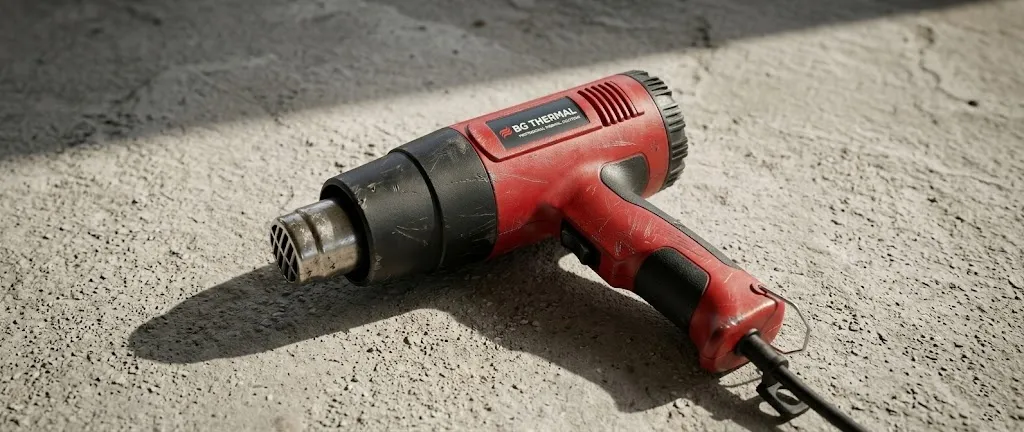
The cable that powers a heavy duty heat gun is just as critical as the heating element itself. Professional models are equipped with thick, rubberized cords—like a 3-Meter UL Certified Power Cord. This prevents cold-weather snapping, resists chemical spills on the factory floor, and gives operators the reach they need to work safely without tripping over extension connections.
5. Better ROI and Lower Total Cost of Ownership
At the end of the day, B2B purchasing is about the math. A standard tool might be cheaper upfront, but when you factor in the cost of downtime, replacement shipping, and lost labor hours, it becomes incredibly expensive.
Stocking and selling a reliable heavy duty heat gun protects your margins. Your clients experience less downtime, your sales team processes fewer returns, and you build a reputation as a supplier who provides serious equipment for serious professionals.
Upgrade Your Hardware Catalog Today
Stop dealing with the headache of defective retail tools. At BG THERMAL, we manufacture a heavy duty heat gun lineup designed specifically for the rigorous demands of global distributors and industrial end-users.
Are you a tool wholesaler or corporate procurement buyer looking for reliable partners?
Contact us to get our latest wholesale pricing and request sample units for your rigorous testing.